Learning Beyond the Classroom: How MET Professional Visits Bring Energy Transition to Life
At emlyon business school, the MSc in Management of Energy Transitions program prepares students to become future leaders in sustainability and energy transformation. Beyond academic coursework, professional visits are a core element of the learning experience. They allow students to step outside the classroom and observe how companies and innovation hubs tackle climate and energy challenges in concrete ways.
Understanding Innovation Ecosystems in Action
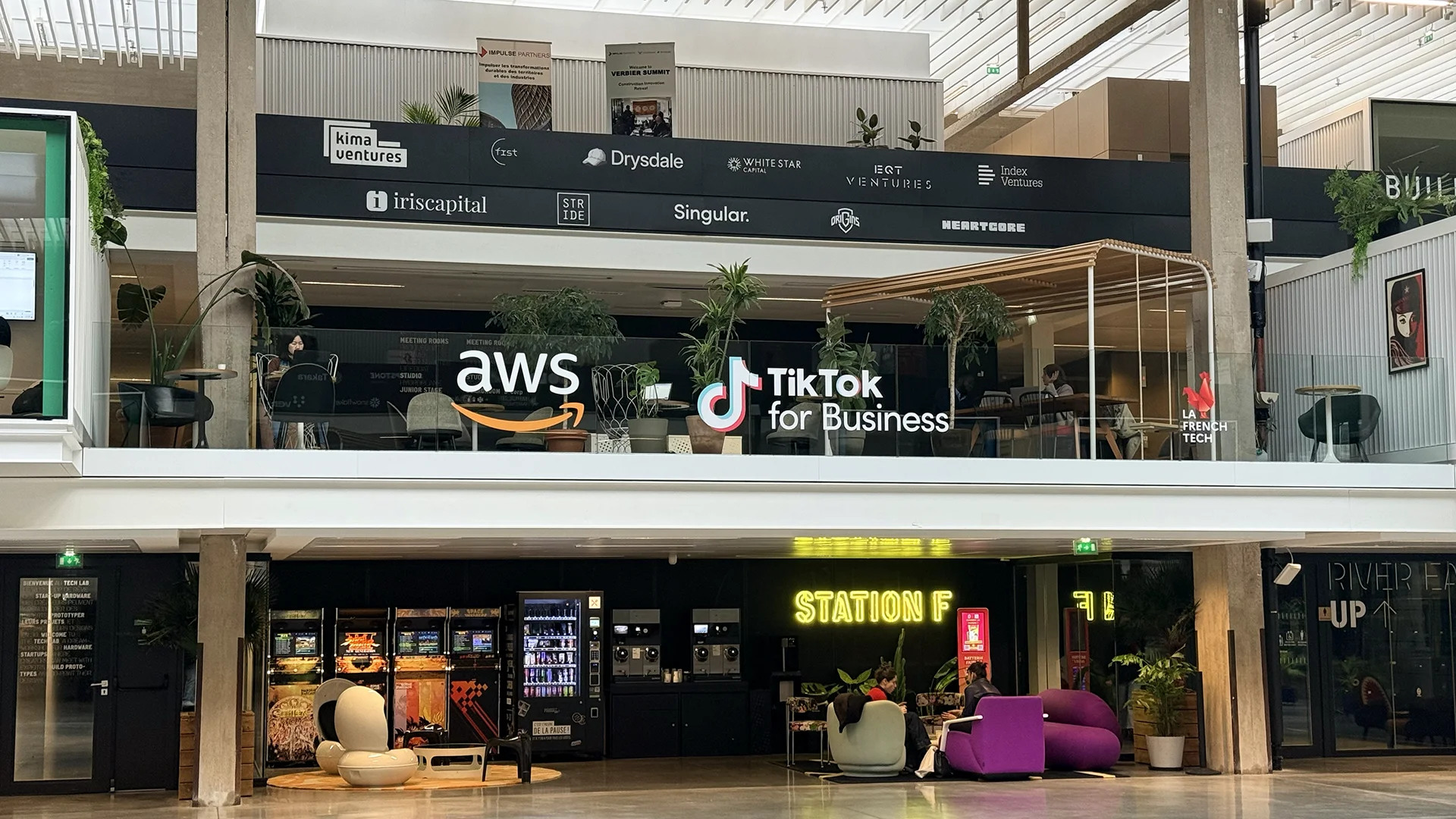
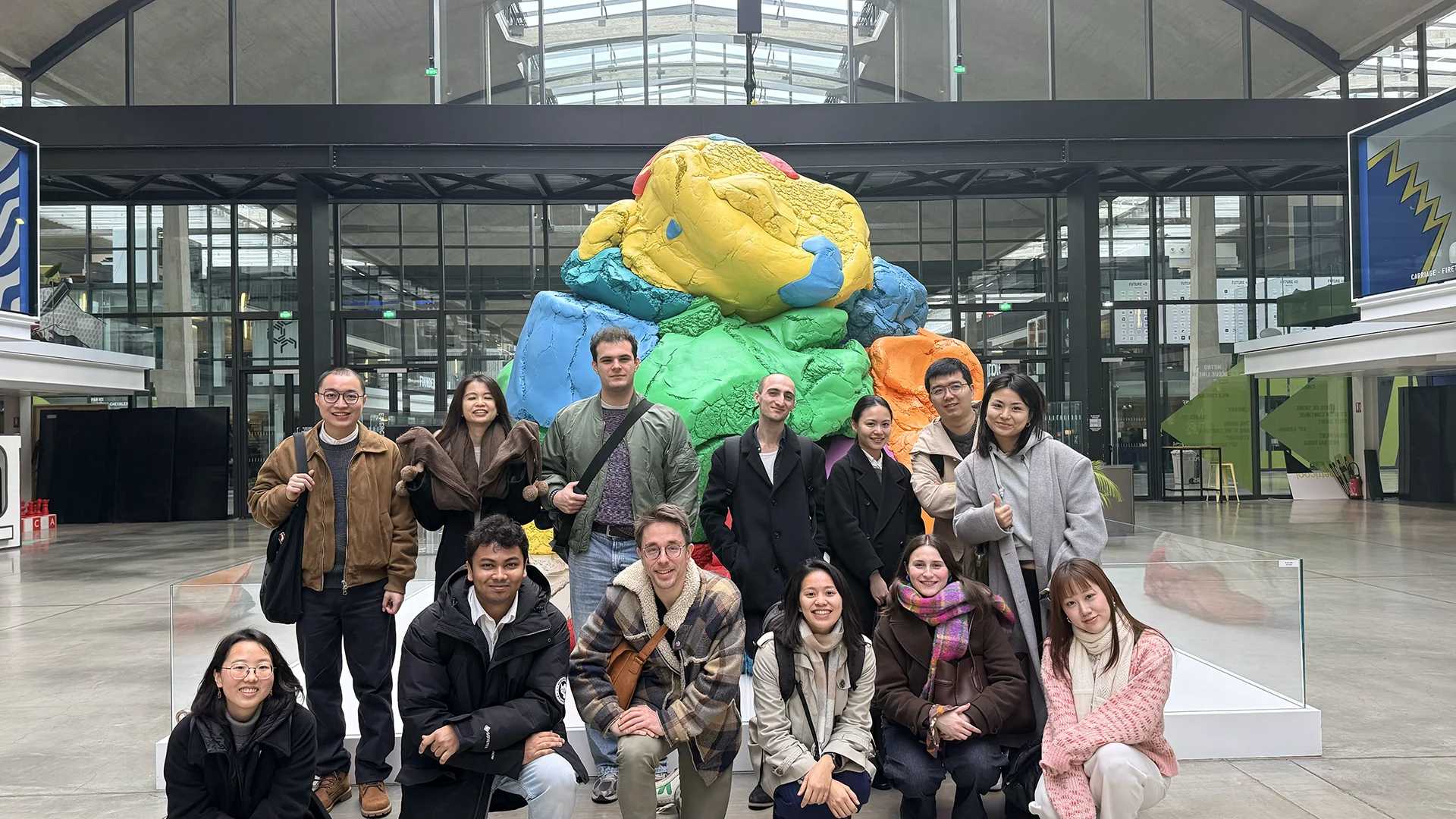
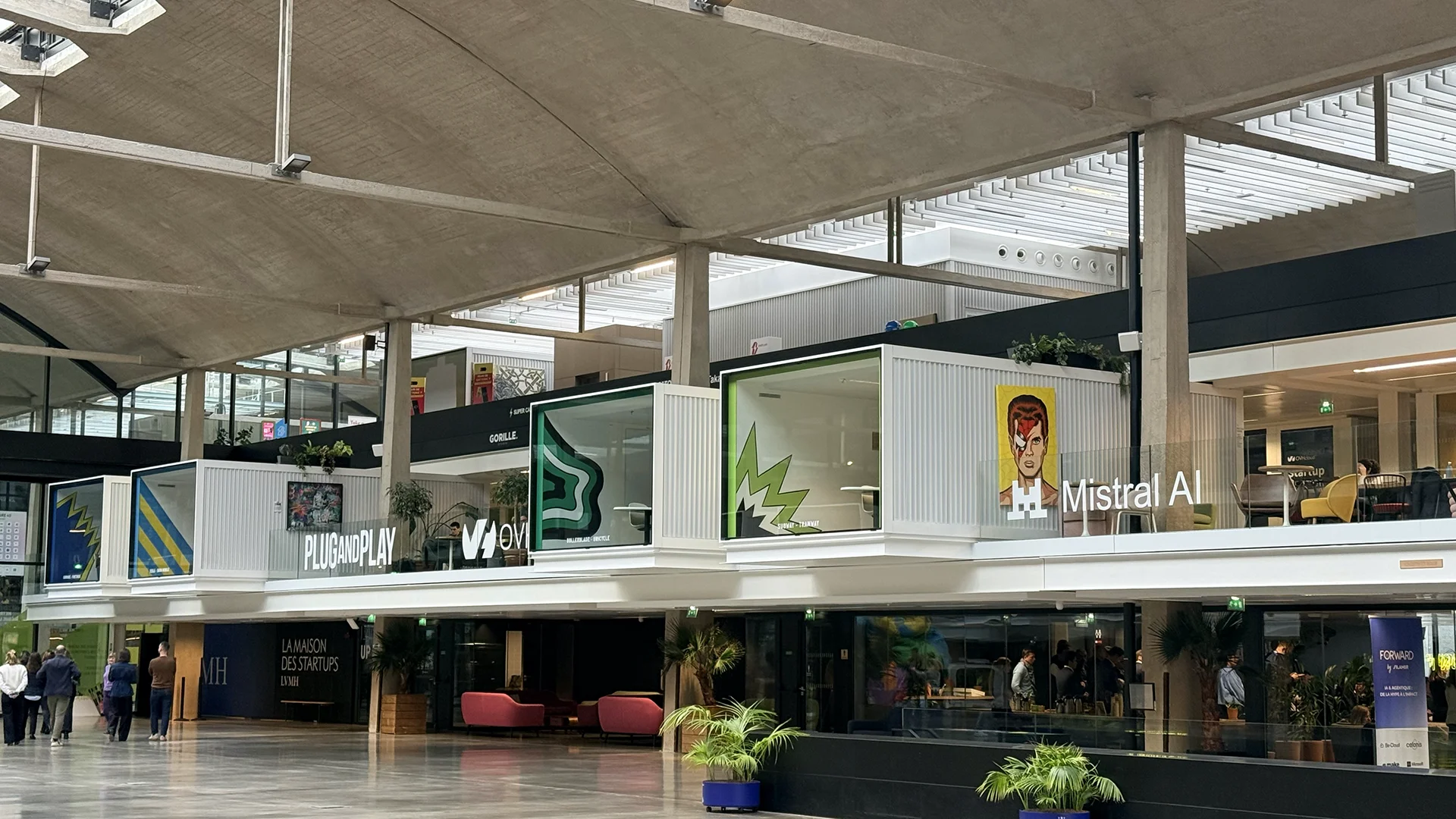
One recent visit brought students to Station F, Europe’s largest startup campus. The objective was not simply to tour the space, but to understand how a large-scale entrepreneurial ecosystem functions on a daily basis.
Through a guided tour, students explored how startups, investors, corporate partners, and accelerators coexist within a structured yet dynamic environment. The campus illustrates how innovation is supported not only by individual entrepreneurs, but by a broader ecosystem designed to foster collaboration, visibility, and growth.
Reflecting on the experience, MET student TING Jy-Lin explained:
“During our visit to Station F, we had the pleasure of taking part in a guided tour that helped us better understand how one of Europe’s largest startup campuses operates in practice.”
The presentation of initiatives such as the Future 40 — which highlights high-potential startups — showed how recognition and structured support mechanisms contribute to scaling innovation. For many students, the visit clarified how climate-focused and deep-tech ventures are built from the ground up within such ecosystems.
As TING Jy-Lin summarized:
“The visit illustrated how an entrepreneurial ecosystem functions beyond individual startups, emphasizing its structure, support mechanisms, and the role of community in scaling innovation.”
Addressing Decarbonization Challenges Across Industries
Professional visits within the MSc in Management of Energy Transitions also extend beyond startup environments to established sectors facing urgent transition challenges.
During another visit, students explored the decarbonization of the hospitality industry, welcomed by Sophie Galharret. This session focused on the operational realities of reducing carbon emissions in a sector where energy use, supply chains, and customer expectations intersect.
Rather than discussing sustainability in abstract terms, students were exposed to the concrete constraints companies face: regulatory pressure, cost management, technological adaptation, and stakeholder engagement. These exchanges allowed them to understand that energy transition strategies must be tailored to each industry’s specific context.
Together, these diverse visits — from startup ecosystems to traditional sectors — provide complementary perspectives on how innovation and decarbonization unfold in practice.
Why These Experiences Matter
Professional visits within the MSc in Management of Energy Transitions are not simple study trips — they are immersive learning opportunities. They allow students to observe ecosystems in action, engage directly with professionals, and critically reflect on how sustainable transformation is structured and supported.
By combining academic rigor with real-world exposure, the MSc in Management of Energy Transitions at emlyon business school ensures that students graduate not only with knowledge, but with a grounded understanding of how to drive meaningful change in the energy and climate landscape.
About the MET Program
The MSc in Management of Energy Transitions at emlyon business school is designed to prepare students to become leaders in the field of energy transition and sustainable transformation. The program combines management fundamentals with specialized knowledge in energy systems, climate policies, and sustainable innovation. Through a mix of academic courses, real-world projects, and professional immersion, students develop both strategic and operational skills to drive the transition toward low-carbon and resilient business models.